Allentown · Lehigh County · MEP Engineering
MEP Engineering in Allentown, Pennsylvania
A Allentown mep engineering scope has to respond to coordinating high-bay logistics systems and older downtown utility networks. Apex Grid helps owners organize the facts, documents, and agency questions without promising licensure, approval, coverage, or a review timeline.
Permit authority
The Bureau reviews building and trade documents, while PPL, Allentown utilities, Fire, and land-development reviewers address service-specific items
Code context
Mechanical, electrical, plumbing, fuel-gas, and energy documents follow the current UCC package and Allentown permit instructions
Local conditions
cold winters, humid summers, high-bay destratification, limited mill shafts, PPL capacity, and flood-sensitive equipment rooms shape the system choice
Typical project types
Lehigh Valley warehouses, downtown restaurants, hospital support spaces, and adaptive-reuse apartments near Hamilton Street
High-bay warehouse air strategy
A logistics building needs destratification, dock-door infiltration control, freeze protection, and ventilation that reflects actual storage and battery-charging use. Generic office load assumptions can materially mis-size the system.
Downtown riser archaeology
Downtown conversions frequently uncover abandoned plumbing, undersized electrical risers, and shafts interrupted by historic framing. Early field verification lets the design reserve access and firestopping before finishes conceal the route.
PPL and flood-resilient services
PPL service discussions, transformer placement, emergency power, and flood-elevated equipment can affect site yield. Utility confirmation is separate from engineering and should be documented before procurement.
Permit and engineering steps
- List UCC building and trade permits, Fire interfaces, PPL service needs, floodplain constraints, and any institutional owner standards.
- Survey existing services, roof access, shafts, utility bills, process loads, occupancy schedules, and hazardous or battery-charging areas.
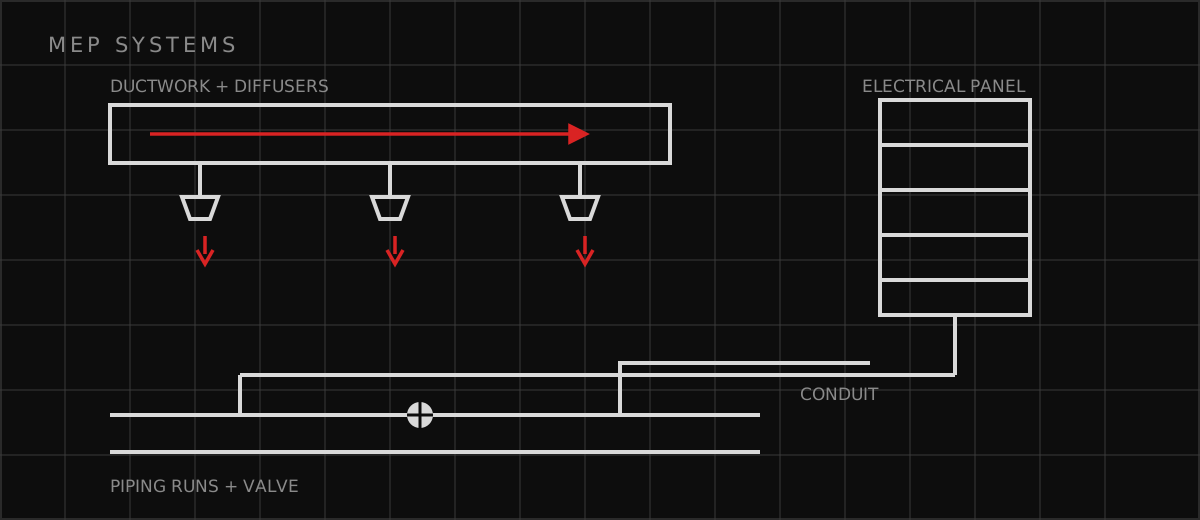
- Produce coordinated load calculations, equipment schedules, distribution diagrams, controls, energy documentation, and penetration details.
- Submit to the Bureau and coordinate PPL or other utility approvals independently; revise to comments without representing a guaranteed service date.
MEP Engineering in Allentown, Pennsylvania FAQs
How does a Lehigh Valley warehouse differ from an office MEP design?
Can an old mill use its existing shafts?
Who approves an Allentown electrical service upgrade?
Official sources
These official sources support the local permit, code, utility, climate, and environmental context. The current AHJ and adopted requirements control.
Discuss your Allentown scope
Send the address, existing records, proposed use, authority correspondence, and requested deliverable. Responsible professional review and availability are confirmed before work begins.
Request a Project Review