Philadelphia · Philadelphia County · PE-Stamped Drawings
PE-Stamped Drawings in Philadelphia, Pennsylvania
A Philadelphia pe-stamped drawings scope has to respond to preparing a discipline-specific, reviewable package for Philadelphia's multi-department permit environment. Apex Grid helps owners organize the facts, documents, and agency questions without promising licensure, approval, coverage, or a review timeline.
Permit authority
Philadelphia L&I determines construction-submittal requirements, while PWD, Streets, Fire, zoning, and historic reviewers may require related documents; the Pennsylvania licensing board governs the responsible professional's authority to seal
Code context
The drawing set must address the current Philadelphia construction-code amendments and the discipline's adopted standards; edition and seal requirements are checked against L&I instructions and the project's actual scope
Local conditions
occupied rowhouses, shared walls, narrow staging areas, historic façades, and multiple utility owners make notes, details, and responsibility boundaries especially important
Typical project types
small commercial fit-outs, permitted rooftop equipment, multifamily renovations, industrial tenant work, and structural repairs in older neighborhoods
A seal is not a substitute for field knowledge
Philadelphia drawings should identify the surveyed existing condition, assumptions, deferred items, and inspections needed during construction. Clear limits help L&I and the contractor understand what the sealed documents do and do not cover.
Coordinate the city package, not only the sheets
A complete submission may include zoning information, PWD material, trade applications, fire-resistance details, and historic documentation. Cross-referencing those pieces reduces contradictory dimensions and prevents a permit reviewer from receiving an isolated discipline set.
Existing-building notes that contractors can use
Repair details need access, sequencing, temporary shoring, and verification language suited to the actual building. Generic notes are particularly risky beside party walls, occupied floors, and old masonry where hidden conditions can change the work.
Permit and engineering steps
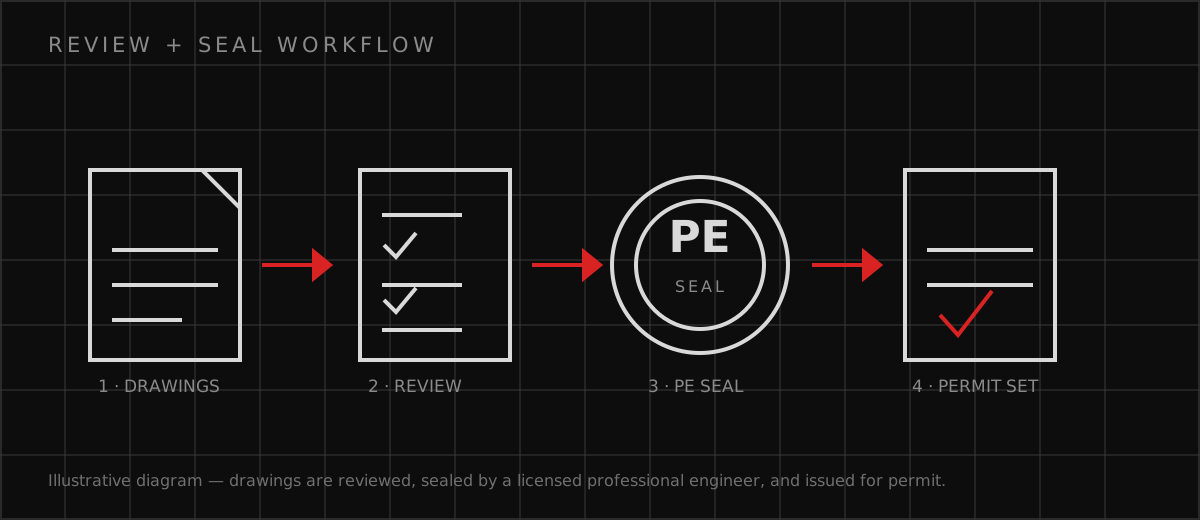
- Define the address, scope, existing-condition evidence, intended permit type, and the authorities that must receive a sealed discipline package.
- Resolve design criteria, calculations, code references, coordination interfaces, construction observations, and any exclusions before final drafting.
- Have the responsible Pennsylvania PE review, sign, and seal the applicable sheets and calculations in accordance with board and AHJ requirements.
- Submit through the designated Philadelphia process, track comments by department, and issue revisions that preserve the seal and document revision responsibility.
PE-Stamped Drawings in Philadelphia, Pennsylvania FAQs
Can a PE seal drawings for every Philadelphia trade?
Are electronic seals accepted?
Will a stamped set guarantee a Philadelphia permit?
Official sources
These official sources support the local permit, code, utility, climate, and environmental context. The current AHJ and adopted requirements control.
Discuss your Philadelphia scope
Send the address, existing records, proposed use, authority correspondence, and requested deliverable. Responsible professional review and availability are confirmed before work begins.
Request a Project Review