HVAC, plumbing, and electrical coordination
MEP Engineering for Oklahoma City Projects
Oklahoma City MEP documents must fit the use of the building, summer peak conditions, existing service, and the local review path. Utility correspondence informs capacity; it does not replace engineering calculations.
Permit authority
Development Services is the Oklahoma City building-review authority, while fire, utilities, Public Works, health, and floodplain reviewers may control related parts of the project.
Code context
Establish the current OUBCC mechanical, plumbing, electrical, energy, fire, and accessibility provisions and Oklahoma City amendments before sizing equipment or issuing schedules.
Local conditions
Hot humid summers, winter freezes, severe thunderstorms, tornado sheltering, dust, flood-prone equipment locations, and changing utility service loads are relevant design inputs.
Typical project types
Restaurants, tenant improvements, schools, multifamily work, commercial kitchens, ADUs, residential additions, and equipment replacement.
Start MEP design with the Oklahoma City occupancy
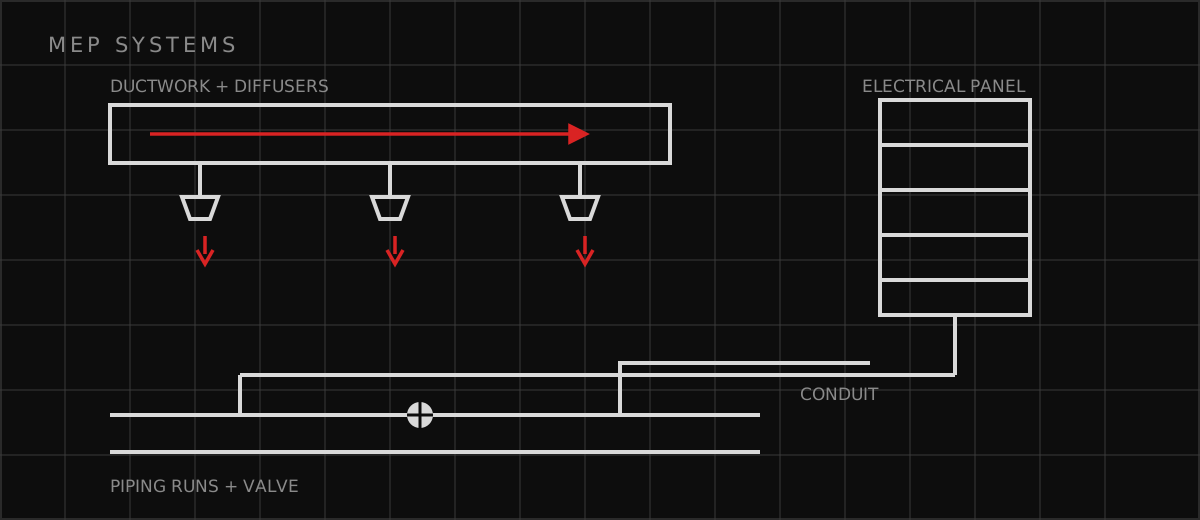
A restaurant exhaust system, a classroom ventilation system, and a dwelling addition do not share the same assumptions. Document occupant load, outside air, exhaust makeup, equipment access, condensate, and controls against the actual architectural plan and the fire strategy.
Utility and storm interfaces belong in the set
Oklahoma Gas and Electric service information, water and sewer points, fire-flow requirements, and Public Works constraints should support panel schedules, risers, and equipment selection. Place electrical or mechanical equipment above identified flood concerns where the site review requires it.
A coordinated correction is more than a narrative
When Oklahoma City asks for a larger panel, a revised exhaust rate, or a protected penetration, update the load calculation, riser, schedule, energy documentation, and architectural detail together. ADU and addition work should show its effect on the existing service.
Permit and engineering steps
- Confirm occupancy, current adopted mechanical, plumbing, electrical, energy, and fire provisions, and the Oklahoma City review checklist.
- Field-check existing panels and equipment and request written electric, water, sewer, and fire-flow information from the applicable providers.
- Coordinate loads, risers, shafts, clearances, controls, condensate, ventilation, shutdowns, and accessible maintenance routes.
- Log each reviewer comment and resubmit revised schedules, calculations, risers, details, and utility correspondence as one controlled package.
MEP Engineering for Oklahoma City Projects FAQs
Does an Oklahoma City ADU need an electrical capacity check?
Can OG&E availability establish a building service size?
How should an MEP correction be returned?
Official sources
These official sources support the local permit, code, utility, climate, and environmental context. The current AHJ and adopted requirements control.
Discuss your Oklahoma City scope
Send the address, existing records, proposed use, authority correspondence, and requested deliverable. Responsible professional review and availability are confirmed before work begins.
Request a Project Review