Reliable systems for Piedmont Triad operations
MEP Engineering in Greensboro, NC
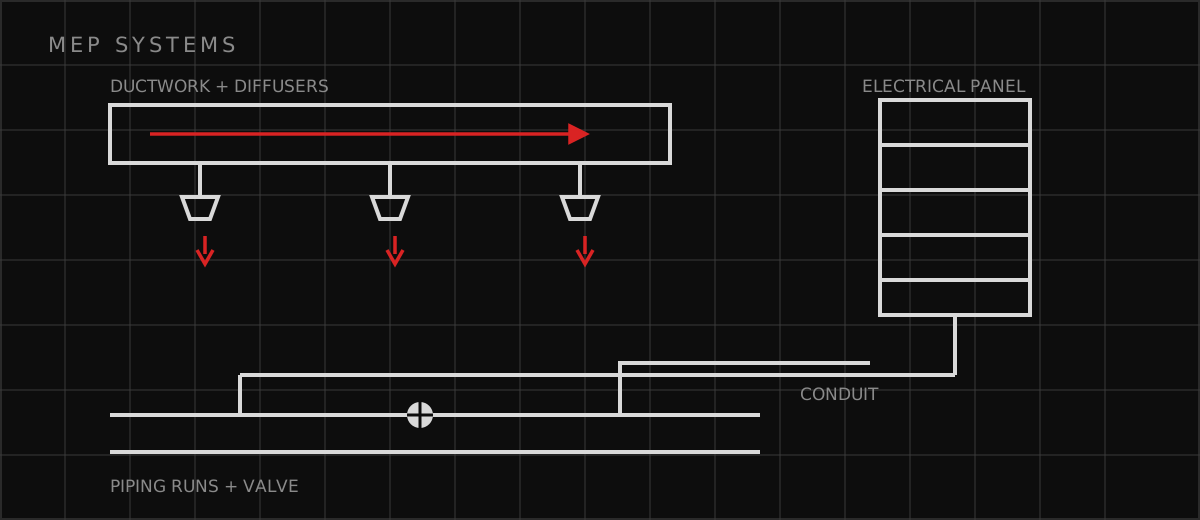
Greensboro facilities often combine production, storage, offices, and heavy utility demand under one roof. MEP design begins with the process and service inventory, then documents HVAC, electrical, plumbing, controls, and fire interfaces for the actual AHJ.
Permit authority
Greensboro Inspections is the building review authority inside the city; Guilford County or another municipality governs elsewhere. Duke Energy, the City of Greensboro water resources system, fire officials, and environmental or health agencies may control separate system approvals.
Code context
Current North Carolina mechanical, electrical, plumbing, fuel-gas, energy, accessibility, and fire provisions apply with local permit procedures and utility standards. Manufacturing hazards, dust collection, compressed gases, process exhaust, and emergency power need an AHJ-specific review rather than a conventional office template.
Local conditions
Greensboro’s humid summers, winter heating, pollen, thunderstorms, and industrial utility corridors affect equipment selection and controls. Duke Energy service and demand, natural gas availability, water pressure, and wastewater characteristics should be checked before layout.
Typical project types
Aerospace and advanced manufacturing, distribution centers, food and beverage, medical offices, retail conversions, and office renovations are frequent Triad MEP projects.
Greensboro process systems cross utility and permit lanes
Production equipment, dust collection, compressed air, cooling, and exhaust can overwhelm a tenant assumption. Tie the process owner’s schedule to Greensboro Inspections, Duke service, water resources, fire, and any NCDEQ or health review.
Warehouse comfort and smoke control
High-bay spaces have stratification, large door openings, and different comfort zones from offices. HVAC, destratification, ventilation, fire protection, and energy documentation must be coordinated with the storage commodity and occupancy.
Utility capacity is a design input
A service increase or new production line may require Duke studies, transformer work, metering, or generator coordination. Greensboro water and sewer capacity and pretreatment questions can likewise move the equipment room and site plan.
Permit and engineering steps
- Use Greensboro Inspections for city building systems or Guilford County’s process outside city limits; start Duke Energy and Greensboro water-resource service conversations with the production schedule.
- Translate dust collection, compressed air, process cooling, gas, ventilation, lighting, wastewater, and emergency-power needs into equipment loads.
- Show hazardous-material, fire, energy, equipment-clearance, and utility-service interfaces in the permit set while NCDEQ or health review remains separately tracked.
- Keep production-line substitutions and commissioning changes tied to the Greensboro or county comment record and the responsible design professional.
MEP Engineering in Greensboro, NC FAQs
Which Greensboro manufacturing reviews sit outside Inspections?
Can a warehouse HVAC system serve the office area?
When should Duke Energy be contacted for a Triad expansion?
Official sources
These official sources support the local permit, code, utility, climate, and environmental context. The current AHJ and adopted requirements control.
Discuss your Greensboro scope
Send the address, existing records, proposed use, authority correspondence, and requested deliverable. Responsible professional review and availability are confirmed before work begins.
Request a Project Review