Columbus permit engineering responsibility
PE-Stamped Drawings for Columbus, Georgia Projects
A PE-stamped drawing set should communicate a defined professional responsibility based on adequate project information. Columbus site, utility, industrial, and building facts should be coordinated so the responsible Georgia PE can determine scope and address the applicable AHJ.
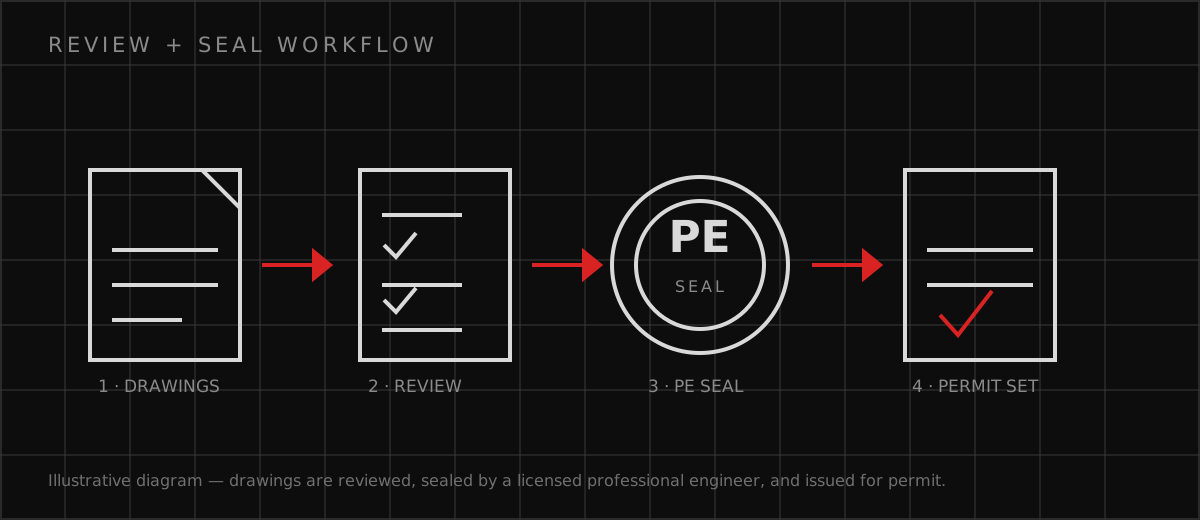
Permit authority
Columbus Inspections and Code is the principal local building AHJ, while engineering, flood, fire, utility, owner, and possible federal reviewers have separate roles. The Georgia licensing board governs engineering practice and seal use; a seal does not override the AHJ’s checklist or acceptance decision.
Code context
The package should state the applicable Georgia building, structural, mechanical, plumbing, electrical, energy, fire, and site provisions, plus existing-building, flood, special-inspection, and industrial requirements. Georgia board Rule 180-12 and the owner or AHJ checklist govern the defined seal and submission record.
Local conditions
Industrial equipment, river drainage, red clay, humid heat, military-adjacent operations, and older masonry often make field verification and specialty coordination essential. Survey, geotechnical, utility, process, and owner data can determine whether a PE has an adequate basis.
Typical project types
Examples include production-line additions, warehouse conversions, school renovations, municipal facilities, riverfront offices, and small commercial alterations.
Columbus city versus Fort Benning seal boundaries
Columbus Inspections and Code, Muscogee engineering, Columbus Fire, Columbus Water Works, Georgia Power, plant management, and Fort Benning can each own part of a project record. Rule 180-12 documentation should identify the PE’s defined sheets and keep federal, utility, process, survey, and fire responsibilities separate.
Coordinate the local record
Permit history, utility correspondence, flood checks, field measurements, and equipment schedules should be retained with calculations. This record lets the responsible PE identify unknowns and respond consistently to Inspections and Code comments.
Revisions stay under control
An industrial substitution or field reroute can alter loads, clearances, hazardous classifications, or fire separation. The PE and AHJ should determine whether revised sealed documents, inspections, or owner approvals are needed.
Permit and engineering steps
- Use Columbus Inspections and Code to open the city record, or the Fort Benning installation channel for federal work, then assign Muscogee flood, Fire, utility, owner, and discipline boundaries.
- Cross-index process data, survey, geotechnical, utility, existing-building, and owner standards so the responsible Georgia PE can define the Rule 180-12 sheets.
- Route authenticated calculations to the named city, county, utility, or installation reviewer without treating one jurisdiction’s document set as another’s coverage.
- Log comments, substitutions, RFIs, inspections, and field findings by reviewer; the PE responsible for the changed discipline evaluates revisions.
PE-Stamped Drawings for Columbus, Georgia Projects FAQs
Does a Columbus PE seal transfer to Fort Benning work?
Can one PE seal all disciplines on a manufacturing project?
Are Georgia seals required for every small alteration?
Official sources
These official sources support the local permit, code, utility, climate, and environmental context. The current AHJ and adopted requirements control.
Discuss your Columbus scope
Send the address, existing records, proposed use, authority correspondence, and requested deliverable. Responsible professional review and availability are confirmed before work begins.
Request a Project Review